Early Detection of Fracture Risk with REMS Technology
- jfay471
- May 21
- 3 min read
Fractures can have a significant impact on an individual's quality of life, especially among the elderly and those with underlying health conditions. Early detection of fracture risk is crucial for prevention and management. Recent advancements in technology, particularly in the field of Remote Electronic Monitoring Systems (REMS), are paving the way for more effective and timely assessments of fracture risk. This blog post explores how REMS technology is transforming the landscape of fracture risk detection and what it means for patients and healthcare providers alike.
Understanding Fracture Risk
Fractures are not merely the result of accidents; they can also be indicative of underlying health issues. Factors contributing to fracture risk include:
Age: Older adults are at a higher risk due to decreased bone density.
Gender: Women, particularly post-menopausal women, are more susceptible to osteoporosis.
Lifestyle: Sedentary lifestyles, poor nutrition, and smoking can increase risk.
Medical Conditions: Conditions like osteoporosis, diabetes, and certain hormonal disorders can weaken bones.
Recognizing these factors is essential for effective prevention strategies. Traditional methods of assessing fracture risk often involve physical examinations and imaging tests, which can be time-consuming and may not always provide immediate results.
The Role of REMS Technology
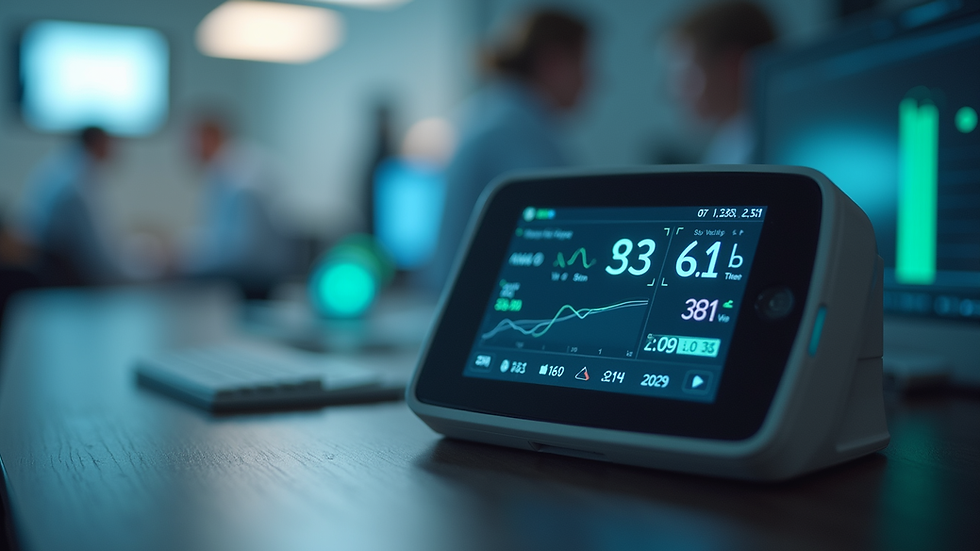
REMS technology offers a modern solution to the challenges of fracture risk assessment. By utilizing remote monitoring devices, healthcare providers can continuously track vital health metrics that are indicative of bone health. Here’s how REMS technology works:
Data Collection: Devices collect data on various health parameters, such as bone density, physical activity levels, and nutritional intake.
Real-Time Monitoring: Continuous monitoring allows for immediate detection of changes in health status that may indicate increased fracture risk.
Data Analysis: Advanced algorithms analyze the collected data to identify patterns and predict potential risks.
Alerts and Notifications: Healthcare providers receive alerts when a patient’s data indicates a heightened risk, enabling timely intervention.
This proactive approach not only enhances patient care but also reduces the burden on healthcare systems by minimizing the need for in-person visits.
Benefits of Early Detection
The advantages of early detection of fracture risk through REMS technology are manifold:
Preventive Measures: Early identification allows for timely interventions, such as medication adjustments, lifestyle changes, or physical therapy.
Improved Patient Outcomes: Patients who receive early treatment are less likely to experience severe fractures, leading to better overall health and quality of life.
Cost-Effectiveness: Preventing fractures can significantly reduce healthcare costs associated with hospitalizations and long-term care.
Empowerment: Patients can take an active role in managing their health by receiving real-time feedback on their condition.
Case Studies and Real-World Applications
Several healthcare facilities have begun integrating REMS technology into their fracture risk assessment protocols. For instance, a study conducted at a leading hospital demonstrated that patients using REMS devices showed a 30% reduction in fracture incidents over a year compared to those who did not use the technology.
Another example is a community health program that provided REMS devices to elderly residents. The program reported increased engagement in physical activity and dietary improvements among participants, leading to a notable decrease in falls and fractures.
Challenges and Considerations
While REMS technology presents numerous benefits, there are challenges to consider:
Technology Adoption: Some patients may be hesitant to adopt new technologies, particularly older adults who may not be tech-savvy.
Data Privacy: Ensuring the security of sensitive health data is paramount. Healthcare providers must adhere to strict regulations to protect patient information.
Integration with Existing Systems: Healthcare facilities need to ensure that REMS technology integrates seamlessly with their current systems for effective data management.
Future of REMS Technology in Fracture Risk Assessment
The future of REMS technology in fracture risk assessment looks promising. As technology continues to evolve, we can expect:
Enhanced Algorithms: Improved data analysis techniques will lead to more accurate predictions of fracture risk.
Wearable Devices: The development of more sophisticated wearable devices will allow for even greater monitoring capabilities.
Telehealth Integration: Combining REMS technology with telehealth services will facilitate remote consultations and follow-ups, making healthcare more accessible.
Conclusion
The early detection of fracture risk through REMS technology represents a significant advancement in healthcare. By leveraging real-time data and continuous monitoring, healthcare providers can offer proactive care that not only improves patient outcomes but also reduces healthcare costs. As we move forward, embracing these technological advancements will be crucial in addressing the growing concerns surrounding fractures, particularly in vulnerable populations.
For individuals at risk, staying informed and engaged with their health is essential. By utilizing REMS technology, patients can take proactive steps towards maintaining their bone health and preventing fractures.

Comments