Preventative Wellness: Mobile Bone Density Screenings Explained
- jfay471
- May 21
- 3 min read
Bone health is a crucial aspect of overall wellness, yet it often goes overlooked until a serious issue arises. With osteoporosis affecting millions of people, particularly older adults, understanding the importance of bone density screenings is essential. Mobile bone density screenings offer a convenient and effective way to monitor bone health, allowing individuals to take proactive steps toward maintaining their well-being. In this blog post, we will explore what mobile bone density screenings are, how they work, and why they are an important part of preventative wellness.
Understanding Bone Density
Bone density refers to the amount of bone mineral in bone tissue. It is a critical indicator of bone strength and health. As we age, our bones naturally lose density, which can lead to conditions such as osteoporosis. Osteoporosis is characterized by weak and brittle bones, making individuals more susceptible to fractures and breaks.
Why Bone Density Matters
Maintaining healthy bone density is vital for several reasons:
Prevention of Fractures: Low bone density increases the risk of fractures, which can lead to significant health complications, especially in older adults.
Quality of Life: Healthy bones contribute to mobility and independence. Fractures can lead to a loss of independence and a decline in overall quality of life.
Early Detection: Regular screenings can help identify low bone density before it leads to serious health issues.
What Are Mobile Bone Density Screenings?
Mobile bone density screenings are portable services that bring bone density testing directly to communities. These screenings use advanced technology to measure bone mineral density (BMD) in a convenient setting.
How Do They Work?
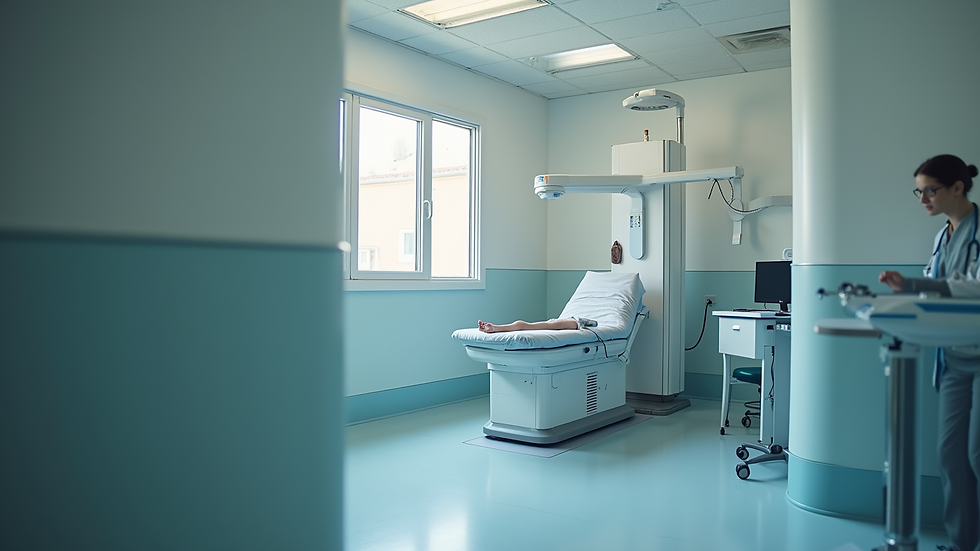
Equipment: Mobile units are equipped with state-of-the-art dual-energy X-ray absorptiometry (DEXA) machines, which are the gold standard for measuring bone density.
Process: The screening process is quick and non-invasive. Patients lie on a table while the machine scans their bones, typically focusing on the hip and spine.
Results: Results are usually available within minutes, allowing individuals to discuss their bone health with a healthcare professional immediately.
Benefits of Mobile Screenings
Accessibility: Mobile screenings make it easier for individuals in remote or underserved areas to access important health services.
Convenience: Patients can receive screenings in familiar environments, such as community centers or senior living facilities.
Education: Along with screenings, healthcare professionals often provide educational resources on bone health and preventative measures.
Who Should Get Screened?
While anyone can benefit from understanding their bone health, certain groups should prioritize bone density screenings:
Women Over 65: Women are at a higher risk for osteoporosis, especially after menopause.
Men Over 70: Men also experience bone density loss, though typically at a later age than women.
Individuals with Risk Factors: Those with a family history of osteoporosis, previous fractures, or certain medical conditions should consider regular screenings.
How Often Should You Get Screened?
The frequency of screenings can vary based on individual risk factors. Generally, the following guidelines apply:
Low Risk: Every 5 to 10 years.
Moderate Risk: Every 2 to 5 years.
High Risk: Annually or as recommended by a healthcare provider.
Lifestyle Factors That Affect Bone Health
In addition to regular screenings, several lifestyle factors can influence bone density:
Nutrition: A diet rich in calcium and vitamin D is essential for bone health. Foods such as dairy products, leafy greens, and fortified cereals can help maintain strong bones.
Exercise: Weight-bearing exercises, such as walking, jogging, and strength training, can help build and maintain bone density.
Avoiding Smoking and Excessive Alcohol: Both smoking and excessive alcohol consumption can negatively impact bone health.
The Role of Healthcare Providers
Healthcare providers play a crucial role in promoting bone health. They can:
Assess Risk: Evaluate individual risk factors and recommend appropriate screenings.
Provide Guidance: Offer advice on nutrition, exercise, and lifestyle changes to support bone health.
Interpret Results: Help patients understand their screening results and what steps to take next.
Conclusion
Mobile bone density screenings are an essential tool in preventative wellness, providing accessible and convenient options for individuals to monitor their bone health. By understanding the importance of bone density, recognizing who should get screened, and adopting healthy lifestyle habits, individuals can take proactive steps to maintain their bone health and overall well-being.
If you or a loved one is at risk for osteoporosis or simply wants to stay informed about bone health, consider seeking out a mobile bone density screening in your area. Taking this step can lead to better health outcomes and a higher quality of life.

Comments